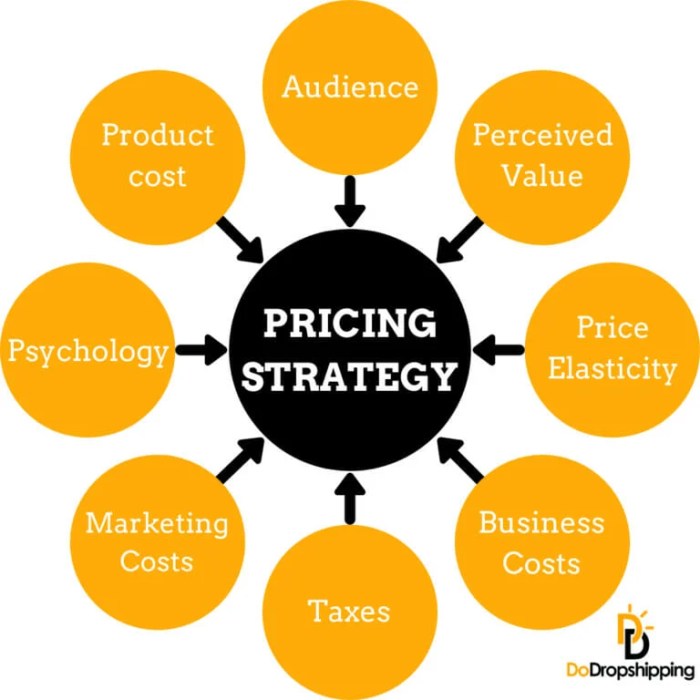
With Market Research for Pricing Strategies at the forefront, this paragraph opens a window to an amazing start and intrigue, inviting readers to embark on a storytelling journey filled with unexpected twists and insights.
Market analysis, research methods, market volatility impact, and pricing strategy evaluation – all keys to unlocking the treasure trove of successful pricing strategies are about to be unveiled.
Market Analysis for Pricing Strategies
Market analysis plays a crucial role in developing effective pricing strategies for businesses. By thoroughly examining market trends, consumer behavior, and competitors, companies can make informed decisions that maximize profits and remain competitive in the market.
Importance of Market Analysis
Market analysis helps businesses understand the demand for their products or services, allowing them to set prices that customers are willing to pay. By identifying market segments, analyzing consumer preferences, and evaluating economic conditions, companies can tailor their pricing strategies to meet the needs of their target audience.
- Market analysis enables businesses to determine the optimal price point for their products or services based on factors such as production costs, competitor pricing, and perceived value by customers.
- By monitoring market trends and consumer behavior, companies can adjust their pricing strategies in response to changes in the market, ensuring they remain competitive and profitable.
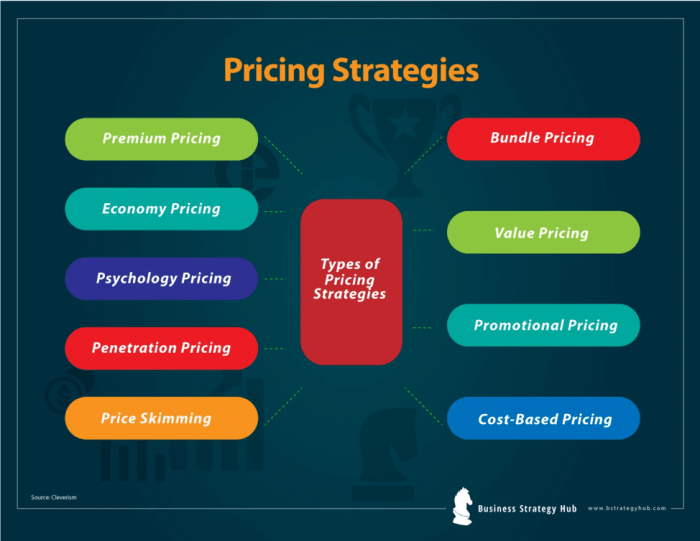
- Market analysis also helps businesses identify pricing opportunities, such as premium pricing for high-end products or discount pricing to attract price-sensitive customers.
Role of Competitor Analysis
Competitor analysis is a critical component of market analysis when developing pricing strategies. By studying competitors’ pricing strategies, businesses can gain insights into market dynamics and consumer expectations, allowing them to differentiate their offerings and position themselves effectively in the market.
Competitor analysis helps businesses identify pricing gaps in the market, enabling them to capitalize on opportunities to offer unique value propositions and set competitive prices.
- By benchmarking against competitors, businesses can determine whether their prices are aligned with industry standards or if adjustments are needed to remain competitive.
- Competitor analysis also helps businesses anticipate competitor reactions to price changes, allowing them to proactively adjust their pricing strategies to maintain their market position.
- Through competitor analysis, businesses can identify pricing strategies that have been successful in the market and apply similar tactics to improve their own pricing strategies.
Market Research Methods
Market research methods play a crucial role in developing effective pricing strategies. By utilizing various techniques, businesses can gather valuable insights to set optimal prices for their products or services.
Qualitative vs Quantitative Research
Quantitative research involves collecting numerical data and analyzing it statistically to identify patterns and trends. This method provides precise and measurable results, making it ideal for determining price sensitivity and demand levels. On the other hand, qualitative research focuses on gathering non-numerical data such as opinions, attitudes, and motivations. This approach helps businesses understand the underlying reasons behind consumer behavior and preferences, which can be valuable in pricing decisions.
Surveys
Surveys are a common market research method used to gather feedback from a large number of respondents. By asking specific questions related to pricing preferences, willingness to pay, and perceived value, businesses can obtain quantitative data to inform their pricing strategies. Surveys can be conducted online, over the phone, or in person, making them versatile and cost-effective.
Focus Groups
Focus groups involve bringing together a small group of participants to discuss pricing-related topics in a structured setting. By facilitating group discussions and observing reactions, businesses can gain qualitative insights into consumer perceptions, emotions, and decision-making processes. Focus groups are particularly useful for exploring complex pricing issues and uncovering hidden objections or barriers to purchase.
Interviews
Interviews allow businesses to engage directly with individual consumers to delve deeper into their pricing preferences and behaviors. Whether conducted face-to-face or over the phone, interviews provide a personalized approach to gathering qualitative data. By asking open-ended questions and probing for detailed responses, businesses can uncover valuable insights that may not emerge through other research methods.
Market Volatility Impact
Market volatility can have a significant impact on pricing strategies implemented by companies across different industries. During periods of market turbulence, companies often need to adjust their pricing strategies to navigate through uncertain economic conditions and changing consumer behavior.
Examples of Pricing Adjustments
- Companies may opt for dynamic pricing strategies, where prices are adjusted in real-time based on market conditions and demand fluctuations. For example, airlines adjust ticket prices based on factors like fuel costs, competition, and seasonal demand.
- Some companies may offer discounts or promotions to stimulate sales during economic downturns or when consumer confidence is low. This can help maintain market share and revenue streams during challenging times.
- Other companies may choose to maintain prices or even increase them to convey a sense of quality and exclusivity, appealing to a niche market segment that values premium products or services.
Importance of Monitoring Market Trends
Monitoring market trends is crucial for companies to adapt their pricing strategies effectively. By staying informed about changes in consumer preferences, competitor actions, and overall market conditions, companies can make informed decisions about pricing adjustments to stay competitive and maximize profitability.
Pricing Strategies Evaluation
The process of evaluating pricing strategies is crucial for businesses to ensure they are maximizing profitability and staying competitive in the market. By analyzing the effectiveness of pricing strategies, companies can make informed decisions to adjust their pricing tactics accordingly.Key metrics used to measure the success of pricing strategies include:
Profit Margin
Calculated by subtracting the cost of goods sold from the selling price and dividing by the selling price, profit margin indicates how much profit a company is making on each sale.
Customer Acquisition Cost (CAC)
This metric measures how much it costs to acquire a new customer through marketing and sales efforts. A lower CAC means a more efficient pricing strategy.
Customer Lifetime Value (CLV)
CLV represents the total amount a customer is expected to spend over their lifetime with a company. It helps determine the long-term profitability of different pricing strategies.The importance of feedback loops in refining pricing strategies based on market research cannot be overstated. By continuously gathering feedback from customers, analyzing market trends, and monitoring competitor pricing, businesses can adapt their pricing strategies to meet changing consumer demands and stay ahead of the competition.
Feedback Loops for Pricing Strategy Refinement
Feedback loops play a crucial role in refining pricing strategies based on market research. By collecting feedback from customers, monitoring market trends, and analyzing competitor pricing, businesses can make informed decisions to adjust their pricing tactics effectively. This iterative process allows companies to stay agile and responsive to changes in the market, ultimately leading to improved profitability and competitive advantage.
In conclusion, Market Research for Pricing Strategies is the compass guiding businesses through the turbulent waters of pricing decisions, ensuring profitability and market relevance in a constantly evolving landscape. Dive deep into research, analyze with precision, and watch your pricing strategies soar to new heights of success.
Question & Answer Hub
How does market analysis impact pricing decisions?
Market analysis provides valuable insights into consumer behavior, competitive positioning, and market trends, influencing pricing strategies accordingly.
What are some common market research methods for pricing strategies?
Common methods include surveys, focus groups, interviews, and data analysis to gather valuable insights for pricing decisions.
How can companies adjust pricing during market volatility?
Companies can adapt pricing by offering discounts, promotions, or adjusting product bundles to remain competitive during volatile market conditions.


