As Competitive Market Analysis takes center stage, this opening passage beckons readers with a captivating glimpse into the world of strategic business planning, shedding light on the crucial role of market analysis in today’s competitive landscape.
Exploring the intricacies of competitive market analysis reveals a wealth of insights that businesses can leverage to stay ahead of the curve and thrive in dynamic market conditions.
Introduction to Competitive Market Analysis
Competitive market analysis is a crucial component of business strategy that involves evaluating the strengths and weaknesses of competitors in a specific industry or sector. By conducting a competitive market analysis, companies can identify market trends, assess their own position in the market, and make informed decisions to stay competitive.
Key Components of Competitive Market Analysis
- Identifying key competitors: This involves researching and analyzing direct and indirect competitors in the market.
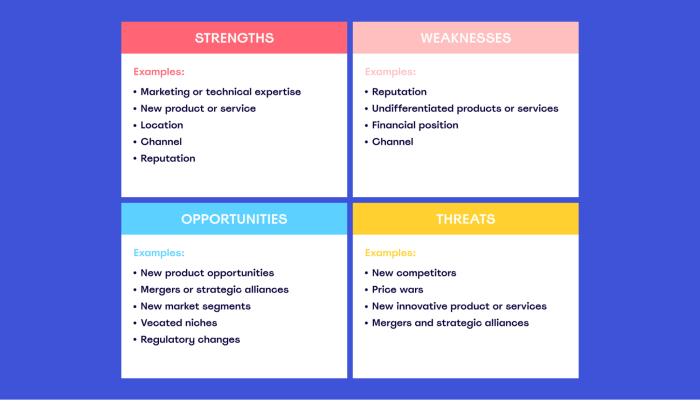
- SWOT analysis: Evaluating the strengths, weaknesses, opportunities, and threats of both the company and its competitors.
- Market trends and dynamics: Understanding the current market conditions, including consumer behavior, pricing strategies, and technological advancements.
- Unique selling proposition (USP): Determining what sets the company apart from its competitors and how to leverage this advantage.
Examples of Industries Where Competitive Market Analysis is Crucial
- Technology sector: With rapid advancements and fierce competition, companies need to constantly analyze their competitors to stay ahead.
- Retail industry: Understanding the pricing strategies, product offerings, and customer service of competitors is essential for survival in this competitive market.
- Automotive industry: With evolving consumer preferences and technological innovations, conducting a competitive market analysis helps companies adapt and thrive in the market.
Tools and Methods for Competitive Market Analysis
Competitive market analysis involves the use of various tools and techniques to gather, analyze, and interpret data to understand market dynamics and competitive landscape.
Qualitative vs. Quantitative Methods
When conducting competitive market analysis, both qualitative and quantitative methods play a crucial role in providing a comprehensive view of the market.
- Qualitative methods involve gathering non-numerical data such as customer feedback, expert opinions, and competitor strategies. This helps in understanding market trends, customer preferences, and competitor positioning.
- Quantitative methods, on the other hand, focus on numerical data like market share, sales figures, and pricing data. This provides concrete metrics for assessing market performance and competitor strength.
Impact of Technology and Data Analytics
Advancements in technology and the widespread use of data analytics tools have revolutionized the process of competitive market analysis.
- Technology enables the collection and processing of vast amounts of data in real-time, allowing for more accurate and timely insights into market trends and competitor activities.
- Data analytics tools like AI and machine learning algorithms can help in identifying patterns, predicting market changes, and optimizing strategies for competitive advantage.
Factors Influencing Competitive Market Analysis

Competitive market analysis is influenced by a variety of external and internal factors that play a crucial role in shaping business strategies and decision-making processes.
External Factors
External factors such as economic conditions, consumer behavior, and regulatory changes have a significant impact on competitive market analysis.
- Economic Conditions: Fluctuations in the economy, such as inflation rates, interest rates, and overall economic growth, can influence consumer spending habits and market demand.
- Consumer Behavior: Understanding consumer preferences, buying patterns, and trends is essential for businesses to tailor their products or services to meet customer needs effectively.
- Regulatory Changes: Changes in laws and regulations can affect market competition by imposing new requirements or restrictions on businesses, influencing their operations and market positioning.
Internal Factors
Internal factors related to company resources, capabilities, and positioning also play a critical role in competitive market analysis.
- Company Resources: Assessing the availability of financial, human, and technological resources within a company helps determine its competitive advantage and ability to innovate.
- Capabilities: Evaluating a company’s strengths and weaknesses in terms of skills, expertise, and operational efficiency is crucial for identifying areas of improvement and competitive differentiation.
- Positioning: Analyzing how a company is positioned in the market relative to competitors, including its market share, brand reputation, and customer loyalty, provides insights into market opportunities and threats.
Identifying Opportunities and Threats
Competitive market analysis enables businesses to identify opportunities for growth and development, as well as potential threats that may impact their market performance.
- Opportunities: By analyzing market trends, competitor strategies, and consumer needs, businesses can identify new market segments, product innovations, or strategic partnerships that can drive growth and expansion.
- Threats: Understanding competitive pressures, market saturation, or technological disruptions helps businesses anticipate potential risks and challenges that could affect their market position and profitability.
Importance of Market Analysis
Market analysis is a crucial component of any business strategy as it provides valuable insights into the dynamics of the market environment. It helps businesses identify opportunities, threats, and trends that can impact their operations. Understanding the market landscape is essential for making informed decisions and staying competitive in the industry.
Difference between Market Analysis and Competitive Market Analysis
Market analysis focuses on evaluating the overall market conditions, including factors such as market size, growth potential, and customer demographics. On the other hand, competitive market analysis specifically looks at the strengths and weaknesses of competitors, their strategies, and market positioning. While market analysis provides a broad view of the market, competitive market analysis delves deeper into the competitive landscape.
How Market Analysis Helps Businesses
Market analysis helps businesses understand their target market by identifying customer needs and preferences. It also allows companies to assess the level of competition in the industry and analyze industry trends that can impact their business. By conducting market analysis, businesses can develop effective marketing strategies, product innovations, and pricing strategies to stay ahead of the competition.
Examples of Successful Companies
Apple
Apple is known for its meticulous market analysis, which has helped it identify consumer trends and preferences. This has enabled the company to launch innovative products that resonate with its target market.
Amazon
Amazon’s success can be attributed to its in-depth market analysis, which has allowed the company to expand its product offerings and optimize its logistics to meet customer demands effectively.
Coca-Cola
Coca-Cola’s market analysis has played a key role in its global success by helping the company understand consumer behavior and preferences in different regions, leading to tailored marketing campaigns and product launches.
Market Research Strategies
Market research is a crucial step in gathering data for competitive market analysis. It involves the systematic collection, analysis, and interpretation of information related to a specific market. The process helps businesses understand market trends, customer preferences, and competitor strategies to make informed decisions.
Importance of Primary and Secondary Research
Primary research involves collecting data directly from original sources through surveys, interviews, or observations. This method provides firsthand information tailored to the specific research objectives. On the other hand, secondary research involves analyzing existing data from sources like industry reports, government publications, and academic journals. It offers a broader perspective and can validate findings from primary research. Both primary and secondary research are essential in market analysis as they provide a comprehensive view of the market landscape.
Market Segmentation and Target Market Identification
Market segmentation involves dividing the market into distinct groups based on characteristics such as demographics, behavior, or needs. Identifying target markets within these segments helps businesses tailor their marketing strategies to specific customer segments. Market research plays a crucial role in this process by providing insights into consumer preferences, buying behaviors, and market trends. By understanding the needs and preferences of different market segments, businesses can develop targeted marketing campaigns and product offerings to maximize their competitive advantage.
Market Volatility and Competitive Market Analysis
Market volatility can have a significant impact on the competitive landscape for businesses. Sudden fluctuations in market conditions, such as changes in consumer demand, economic instability, or geopolitical events, can create challenges for companies trying to maintain a competitive edge. In such uncertain environments, businesses need to adopt strategies that enable them to navigate market volatility effectively through competitive market analysis.
Strategies for Navigating Market Volatility
- Constant Monitoring: Businesses should regularly monitor market trends, competitor activities, and consumer behavior to identify potential risks and opportunities arising from market volatility.
- Diversification: Diversifying product offerings, target markets, or distribution channels can help businesses mitigate the impact of market fluctuations on their revenue streams.
- Agility and Adaptability: Being agile and adaptable in responding to changing market conditions is crucial. Businesses that can quickly adjust their strategies based on competitive analysis are better positioned to thrive in volatile markets.
Examples of Industries Impacted by Market Volatility
- Financial Services: The financial services industry is highly sensitive to market fluctuations, interest rate changes, and economic uncertainties. Banks, investment firms, and insurance companies rely heavily on competitive market analysis to stay ahead in volatile environments.
- Technology: The tech industry, characterized by rapid innovation and evolving consumer preferences, is prone to market volatility. Companies in this sector must continuously analyze competitors, technological advancements, and market trends to remain competitive.
- Commodities: Industries dealing with commodities such as oil, gas, or metals are directly impacted by market volatility. Fluctuations in prices, supply and demand dynamics, and global economic conditions necessitate constant competitive analysis for effective decision-making.
In conclusion, the journey through the realm of competitive market analysis unveils a roadmap for success, emphasizing the power of strategic insights in navigating the complexities of modern markets with precision and foresight.
Clarifying Questions
What is the difference between market analysis and competitive market analysis?
Market analysis focuses on understanding the overall market landscape, while competitive market analysis specifically examines the competitive forces at play within that market.
How does competitive market analysis help in identifying opportunities and threats?
By analyzing competitors, industry trends, and market dynamics, competitive market analysis enables businesses to pinpoint potential opportunities for growth and anticipate threats to their market position.
What role does market segmentation play in market research?
Market segmentation divides the market into distinct groups based on characteristics or behavior, allowing businesses to tailor their strategies to specific customer segments and enhance their competitive advantage.


