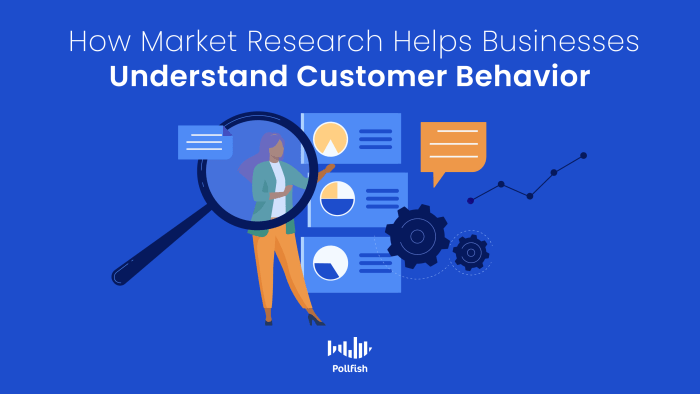
Delving into Market Analysis and Consumer Behavior, this introduction immerses readers in a unique and compelling narrative, with a focus on understanding market trends and consumer choices. From the importance of market analysis to the impact of consumer behavior insights, this topic is crucial in today’s business landscape.
Exploring the factors that shape consumer decisions and the strategies that businesses employ to adapt, this discussion provides a comprehensive look at the dynamic relationship between markets and consumer behavior.
Market Analysis Overview

Market analysis plays a crucial role in understanding consumer behavior as it provides businesses with valuable insights into the market trends, preferences, and purchasing behaviors of their target audience. By analyzing market data, businesses can identify opportunities, threats, and gaps in the market, allowing them to tailor their products or services to meet the needs and expectations of consumers.Market analysis helps businesses make informed decisions by providing them with data-driven insights that can guide their marketing strategies, product development, pricing, and distribution channels.
By understanding consumer behavior through market analysis, businesses can effectively allocate resources, minimize risks, and maximize their competitive advantage in the market.
Tools and Methods Used in Market Analysis
- Surveys and Questionnaires: Businesses can gather valuable information about consumer preferences, buying habits, and demographics through surveys and questionnaires.
- Focus Groups: By conducting focus groups, businesses can gain deeper insights into consumer perceptions, attitudes, and motivations towards products or services.
- Market Research Reports: Businesses can leverage market research reports to access industry trends, market size, competitive analysis, and consumer behavior data.
- Competitor Analysis: Analyzing competitors’ strategies, pricing, and market positioning can help businesses identify market opportunities and threats.
- Data Analytics Tools: Utilizing data analytics tools can help businesses track and analyze consumer interactions, website traffic, and sales data to understand consumer behavior patterns.
Consumer Behavior Insights
Consumer behavior is influenced by a variety of factors that shape individuals’ purchasing decisions. These factors can include cultural influences, personal preferences, social norms, and economic conditions. Understanding these influences is crucial for businesses looking to effectively market their products and services.
Factors Influencing Consumer Behavior
- Cultural Factors: Different cultures have varying values, beliefs, and customs that impact consumer behavior.
- Personal Factors: Individual characteristics such as age, income, lifestyle, and personality can influence purchasing decisions.
- Social Factors: Social groups, family, friends, and social media all play a role in shaping consumer behavior.
- Psychological Factors: Perception, motivation, attitudes, and beliefs all affect how consumers perceive and respond to marketing messages.
- Economic Factors: Economic conditions, income levels, and pricing strategies impact consumer purchasing power and behavior.
Role of Consumer Psychology in Market Research
Consumer psychology plays a crucial role in market research by helping businesses understand why consumers make certain choices. By studying cognitive processes, emotions, and behavior, businesses can tailor their marketing strategies to better appeal to their target audience. For example, understanding the psychological principles of persuasion can help businesses create more effective advertising campaigns.
Examples of Tailoring Strategies Based on Consumer Behavior Insights
- Personalized Recommendations: Online retailers utilize data on browsing history and past purchases to offer personalized product recommendations to customers.
- Loyalty Programs: Businesses offer loyalty programs to reward repeat customers and encourage brand loyalty.
- Social Proof: Displaying customer reviews and testimonials on product pages can influence purchasing decisions by leveraging social proof.
- Scarcity Marketing: Creating a sense of urgency through limited-time offers or low stock levels can drive consumers to make quicker purchasing decisions.
Market Research Techniques
Market research techniques play a crucial role in understanding consumer behavior and market trends. By employing various research methods, businesses can gather valuable insights to make informed decisions and stay competitive in the market.
Primary and Secondary Research Methods
Primary research involves collecting data directly from the source, such as through surveys, interviews, or observations. On the other hand, secondary research involves analyzing existing data sources like reports, articles, and databases. Both methods are essential in gaining a comprehensive understanding of the market landscape.
- Primary Research: Conducting surveys, interviews, focus groups, and observations to gather firsthand information from consumers.
- Secondary Research: Analyzing industry reports, market studies, academic papers, and online databases to gather existing data and insights.
Quantitative and Qualitative Research Approaches
Quantitative research focuses on numerical data and statistical analysis to measure consumer preferences and behaviors objectively. In contrast, qualitative research emphasizes understanding consumer perceptions, motivations, and emotions through in-depth interviews and observations.
- Quantitative Research: Using surveys, questionnaires, and statistical analysis to quantify consumer trends, preferences, and behaviors.
- Qualitative Research: Conducting focus groups, interviews, and observations to explore consumer attitudes, opinions, and motivations in depth.
Focus Groups and Surveys in Market Research
Focus groups involve small groups of consumers discussing their perceptions, preferences, and experiences related to a product or service. Surveys, on the other hand, gather feedback from a larger sample of consumers through structured questionnaires.
- Focus Groups: Bringing together a selected group of participants to discuss specific topics, products, or services, providing qualitative insights into consumer preferences.
Market Volatility Impacts
Market volatility can have a significant impact on consumer spending patterns, leading to fluctuations in purchasing behavior. During times of uncertainty and rapid market changes, consumers may become more cautious with their spending, prioritizing essential items and cutting back on discretionary purchases. This can result in a decrease in overall consumer demand across various industries.
Impact on Consumer Spending Patterns
Market volatility often leads to a decrease in consumer confidence, causing individuals to tighten their belts and reduce non-essential spending. As a result, industries such as travel and tourism, luxury goods, and entertainment may experience a decline in sales during periods of economic instability. On the other hand, sectors like healthcare, food, and household essentials tend to be more resilient to market fluctuations as they cater to basic needs.
- Businesses in the travel industry, such as airlines and hotels, are particularly vulnerable to market volatility. During economic downturns or global crises, consumers may postpone or cancel travel plans, leading to a sharp decline in bookings and revenue.
- Luxury brands often see a drop in sales during periods of market uncertainty as consumers prioritize saving or investing their money instead of purchasing high-end products.
- The entertainment sector, including movie theaters and live events, may experience reduced attendance during times of economic instability, as consumers cut back on leisure spending.
Strategies to Navigate Market Volatility
Businesses can employ various strategies to mitigate the impact of market volatility on their operations. This includes diversifying their product offerings, implementing cost-cutting measures, and adjusting pricing strategies to remain competitive in turbulent market conditions.
- One common strategy is for companies to expand into new markets or develop innovative products to reduce reliance on a single market segment. By diversifying their revenue streams, businesses can better withstand fluctuations in consumer demand.
- Cost-cutting measures, such as reducing overhead expenses and optimizing supply chain operations, can help businesses maintain profitability during challenging economic periods. By streamlining operations and eliminating inefficiencies, companies can improve their financial resilience.
- Adjusting pricing strategies, such as offering discounts or promotions to attract price-sensitive consumers, can help businesses stimulate demand and maintain market share during times of economic uncertainty.
In conclusion, Market Analysis and Consumer Behavior play a pivotal role in shaping business strategies and understanding consumer preferences. By utilizing various research techniques and adapting to market volatility, businesses can stay ahead of the curve and cater to the ever-changing needs of their target audience.
Answers to Common Questions
How does market analysis impact consumer behavior?
Market analysis helps businesses understand consumer preferences and trends, allowing them to tailor their strategies to meet the demands of the market effectively.
What are some common market research techniques used in analyzing consumer behavior?
Common market research techniques include surveys, focus groups, observational studies, and data analysis to gain insights into consumer behavior.
How can businesses navigate market volatility?
Businesses can navigate market volatility by diversifying their offerings, staying agile in their decision-making, and closely monitoring market trends to adapt quickly.


