
With Market analysis for retail industry at the forefront, this paragraph opens a window to an amazing start and intrigue, inviting readers to embark on a storytelling casual formal language style filled with unexpected twists and insights.
The retail industry is a dynamic landscape influenced by various factors. From consumer behavior to emerging trends, understanding this sector is crucial for businesses seeking growth and sustainability. Dive into the world of market analysis for the retail industry for a comprehensive view of what drives success in this competitive market.
Overview of the Retail Industry
The retail industry is a dynamic sector that encompasses a wide range of businesses selling goods and services to consumers. It plays a crucial role in the economy by driving consumer spending and creating employment opportunities.Key players in the retail industry include traditional brick-and-mortar stores, e-commerce platforms, and omnichannel retailers. These players are constantly adapting to changing market trends and consumer behavior to stay competitive in the industry.Market trends shaping the retail industry include the rise of online shopping, the growing demand for personalized shopping experiences, and the increasing focus on sustainability and ethical sourcing.
These trends are influencing how retailers operate and interact with consumers.Consumer behavior and preferences play a significant role in shaping the retail market. Factors such as convenience, price, quality, and brand loyalty impact purchasing decisions. Understanding these preferences is essential for retailers to tailor their offerings and marketing strategies to attract and retain customers.
Impact of E-commerce on Retail
E-commerce has revolutionized the retail industry by providing consumers with the convenience of shopping online from anywhere at any time. This trend has forced traditional retailers to enhance their online presence and invest in digital marketing strategies to stay competitive.
- E-commerce platforms like Amazon and Alibaba have become dominant players in the retail market, offering a wide range of products and services to consumers globally.
- Brick-and-mortar stores are adopting omnichannel strategies to provide a seamless shopping experience across online and offline channels.
- Mobile shopping has gained popularity, with more consumers using smartphones and tablets to make purchases on the go.
Importance of Market Analysis
Market analysis is crucial for retail businesses as it provides valuable insights into consumer behavior, market trends, and competitive landscape. By conducting market research, retail companies can make informed decisions that can help them stay ahead of the competition and meet the evolving needs of their customers.
Driving Informed Decisions
Market research helps retail businesses understand their target market better, identify emerging trends, and anticipate changes in consumer preferences. This information enables companies to tailor their product offerings, pricing strategies, and marketing campaigns to meet the needs of their customers effectively.
- By analyzing market data, retailers can identify new opportunities for growth and expansion.
- Market research can also help businesses identify potential threats and challenges in the market, allowing them to develop strategies to mitigate risks.
- Through market analysis, companies can track their performance against competitors, identify gaps in the market, and make data-driven decisions to improve their competitive position.
Market Research Methods
Market research is essential in the retail industry to understand consumer behavior, preferences, and market trends. Various methods are used to gather valuable insights, ranging from traditional techniques to modern digital approaches. Data analytics plays a crucial role in analyzing this information to make informed business decisions.
Traditional Market Research Techniques
- Surveys: Conducting surveys through phone, mail, or in-person to gather feedback from customers on their shopping habits and preferences.
- Focus Groups: Bringing together a small group of individuals to discuss specific products or services, providing qualitative insights.
- Mystery Shopping: Sending undercover shoppers to evaluate the customer experience in retail stores.
Modern Digital Approaches
- Online Surveys: Using online platforms to reach a larger audience and collect data quickly.
- Social Media Monitoring: Analyzing social media channels to track consumer sentiment, trends, and feedback.
- Web Analytics: Utilizing tools to track website traffic, user behavior, and conversion rates.
Significance of Data Analytics
Data analytics involves analyzing raw data to extract meaningful insights and make informed decisions. In market research for the retail industry, data analytics helps in:
- Identifying trends and patterns in consumer behavior.
- Segmenting customers based on preferences and purchasing habits.
- Forecasting demand for products and optimizing pricing strategies.
Market Volatility in Retail
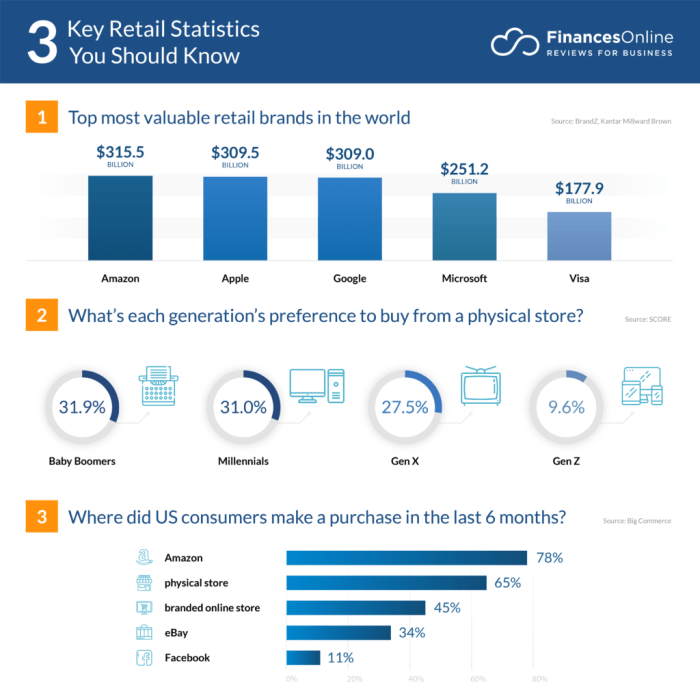
Market volatility in the retail sector is influenced by various factors that can lead to fluctuations in consumer demand, competitive pressures, and economic conditions. These factors can create uncertainty for retail businesses and impact their performance in the market.
Factors Contributing to Market Volatility
- Consumer Behavior: Changes in consumer preferences and buying patterns can affect the demand for products and services, leading to fluctuations in sales.
- Competition: Intense competition among retail businesses can result in price wars, promotional activities, and market share shifts, impacting overall market stability.
- Technological Disruption: Advancements in technology can disrupt traditional retail models, forcing businesses to adapt quickly to changing market dynamics.
- Global Events: Economic crises, political instability, natural disasters, and pandemics can create uncertainty in the retail sector, affecting consumer confidence and spending.
Impact of Economic Conditions
- Economic Growth: Retail markets tend to perform better during periods of economic expansion, with increased consumer spending and business investments.
- Inflation: Rising prices can impact consumer purchasing power and influence buying decisions, leading to changes in market demand.
- Interest Rates: Fluctuations in interest rates can affect borrowing costs for businesses and consumers, impacting spending behavior and overall market stability.
Strategies for Navigating Market Volatility
- Diversification: Retail businesses can reduce risk by diversifying their product offerings, target markets, and sales channels to adapt to changing market conditions.
- Market Research: Conducting regular market research helps businesses stay informed about consumer trends, competitive landscape, and economic indicators, enabling them to make informed decisions.
- Agility and Innovation: Being agile and innovative allows retail businesses to respond quickly to market changes, introduce new products/services, and adjust pricing strategies to stay competitive.
- Financial Planning: Developing contingency plans, managing cash flow effectively, and monitoring key financial metrics can help retail businesses navigate market volatility and sustain operations during challenging times.
Emerging Trends in Retail Market
The retail industry is constantly evolving, adapting to changes in consumer behavior, technology advancements, and market dynamics. Understanding the latest trends shaping the retail market is crucial for businesses to stay competitive and meet the evolving demands of customers.
Impact of Technology and E-commerce
Technology and e-commerce have revolutionized the retail industry, providing new opportunities and challenges for businesses. The rise of online shopping platforms and mobile commerce has shifted consumer preferences and shopping habits. Retailers are increasingly investing in omnichannel strategies to provide a seamless shopping experience across online and offline channels. Additionally, technologies like artificial intelligence, virtual reality, and augmented reality are being integrated into retail operations to enhance customer engagement and personalize the shopping experience.
Predicted Future Trends
Looking ahead, some of the predicted future trends in the retail market include:
- Personalization and customization: Retailers will focus on offering personalized products and services tailored to individual customer preferences.
- Sustainability and ethical practices: Consumers are becoming more conscious of environmental and social issues, driving demand for sustainable and ethically sourced products.
- Pop-up stores and experiential retail: Brands are exploring innovative ways to engage with customers through temporary pop-up stores and immersive retail experiences.
- Voice commerce: The rise of smart speakers and voice assistants is expected to shape the future of shopping, with more consumers using voice commands to make purchases.
- Subscription services: The popularity of subscription-based models is on the rise, with retailers offering curated products and services on a recurring basis.
These trends are expected to have significant implications for retail businesses, requiring them to adapt and innovate to meet the changing needs and expectations of consumers in the digital age.
In conclusion, the market analysis for the retail industry is a powerful tool that equips businesses with the knowledge needed to thrive in a fast-paced environment. By harnessing insights from market research and staying abreast of emerging trends, retailers can stay ahead of the curve and meet the evolving needs of consumers. Stay informed, stay competitive, and watch your retail business flourish in the ever-changing market landscape.
Query Resolution
How can market analysis benefit retail businesses?
Market analysis provides valuable insights into consumer behavior, competition, and industry trends, helping retailers make informed decisions to drive growth and profitability.
What are some traditional market research methods used in the retail industry?
Traditional market research methods in retail include surveys, focus groups, and observational studies to gather data on consumer preferences and buying patterns.
How does market volatility affect retail businesses?
Market volatility in the retail sector can impact consumer spending, supply chain operations, and overall profitability. Retailers need to adapt quickly to changing market conditions to remain competitive.


