As Market Volatility Indicators 2024 takes center stage, this opening passage beckons readers into a world crafted with good knowledge, ensuring a reading experience that is both absorbing and distinctly original.
Explore the key indicators essential for predicting market movements in 2024 and how they differ from traditional markers.
Market Volatility Indicators 2024
Predicting market movements in 2024 requires a careful analysis of key market volatility indicators that can provide valuable insights into potential shifts in the financial markets. These indicators play a crucial role in helping investors and traders make informed decisions and manage risk effectively.
Key Market Volatility Indicators
- The CBOE Volatility Index (VIX): Also known as the “fear gauge,” the VIX measures market expectations of near-term volatility. A high VIX level indicates increased market volatility and uncertainty.
- Option Implied Volatility: This indicator reflects the market’s expectation of future volatility based on options pricing. Changes in option implied volatility can signal potential market movements.
- Historical Volatility: Calculated based on past price movements, historical volatility provides insights into how much a financial instrument’s price has fluctuated in the past. It helps assess potential future price fluctuations.
Differences from Traditional Market Indicators
- Market volatility indicators focus specifically on measuring and forecasting price fluctuations and risk levels, unlike traditional market indicators that may cover a broader range of economic factors.
- Traditional market indicators such as moving averages or volume analysis may not directly capture the degree of market uncertainty and potential for sharp price swings that volatility indicators like the VIX or option implied volatility can reveal.
Reliability of Market Volatility Indicators
Market volatility indicators have proven to be reliable in forecasting market movements in the past. For example, during periods of economic uncertainty or geopolitical tensions, the VIX tends to spike, indicating a higher level of market volatility and potential downside risk. Similarly, shifts in option implied volatility have often preceded significant market trends, providing early signals to investors.
Impact of Market Volatility on Investments
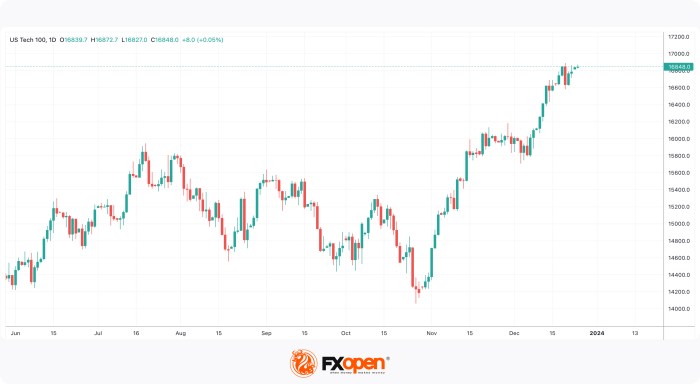
Market volatility can have significant effects on various types of investments, including stocks, bonds, and commodities. Understanding these impacts is crucial for investors to make informed decisions about their portfolios.
Stocks
- Stock prices tend to fluctuate more during periods of high market volatility, leading to increased risk for investors.
- Investors may experience higher levels of uncertainty and anxiety, potentially impacting their investment decisions.
- Market volatility can create buying opportunities for those willing to take on more risk in exchange for potential higher returns.
Bonds
- Bonds are generally considered safer investments compared to stocks, but they are not immune to market volatility.
- During times of market turmoil, bond prices can also be affected, especially if there are concerns about credit risk or interest rate movements.
- Investors may seek to diversify their bond holdings or choose bonds with shorter maturities to mitigate the impact of market volatility.
Commodities
- Commodities, such as gold and oil, are often used as hedges against inflation and market uncertainty.
- Market volatility can lead to sharp price movements in commodity markets, presenting both risks and opportunities for investors.
- Investors may use market volatility indicators to time their entry and exit points in commodity investments more effectively.
Market Research Methods for Volatility Analysis
Market research methods play a crucial role in analyzing market volatility trends. By utilizing both quantitative and qualitative approaches and historical market data, analysts can gain valuable insights into the dynamics of market volatility.
Quantitative Research Approach
- Quantitative research involves the use of statistical and mathematical models to analyze market data.
- Indicators such as standard deviation, beta coefficients, and volatility indexes are commonly used in quantitative analysis.
- By crunching numbers and identifying patterns, analysts can quantify the level of market volatility and make data-driven decisions.
Qualitative Research Approach
- Qualitative research focuses on understanding the underlying factors driving market volatility.
- Interviews, surveys, and expert opinions are often used to gather qualitative data on market sentiments, geopolitical events, and economic trends.
- This approach provides valuable context to complement quantitative analysis and helps in interpreting the implications of market volatility.
Utilization of Historical Market Data
- Historical market data serves as a valuable resource for analyzing past instances of market volatility.
- By studying historical price movements, trading volumes, and market reactions, analysts can identify patterns and trends that may indicate future volatility.
- Comparing current market conditions to historical data can provide insights into how different market environments impact volatility levels.
Forecasting Market Volatility
Forecasting market volatility in 2024 involves the use of various techniques and tools to predict the future behavior of financial markets. It is crucial for investors and financial institutions to anticipate market volatility accurately to make informed decisions and mitigate risks.
Techniques and Tools for Forecasting Market Volatility
- Historical Volatility Analysis: Examining past market data to identify trends and patterns that can help predict future volatility.
- Implied Volatility Models: Using options pricing models to estimate future volatility based on the price of options contracts.
- GARCH Models: Econometric models that capture the clustering and persistence of volatility in financial markets.
Incorporating External Factors in Volatility Forecasts
External factors such as geopolitical events, economic indicators, and news can significantly impact market volatility. It is essential to consider these factors in volatility forecasts to enhance the accuracy of predictions and better understand market dynamics.
Machine Learning Algorithms for Market Volatility Predictions
Machine learning algorithms are increasingly being employed to analyze vast amounts of data and enhance the accuracy of market volatility predictions. These algorithms can identify complex patterns and relationships in data that traditional forecasting methods may overlook, resulting in more reliable forecasts for investors and financial institutions.
Market Volatility and Trading Strategies
Market volatility can present both risks and opportunities for traders. Understanding how to navigate this volatility through effective trading strategies is crucial for success in the market. By tailoring your approach to capitalize on market fluctuations, you can potentially maximize your returns. However, it is important to carefully analyze the risk-reward ratio associated with high volatility trading strategies to ensure that you are comfortable with the level of risk involved.
Different Trading Strategies for Market Volatility
- One common trading strategy for market volatility is trend following, where traders aim to profit from the momentum of a particular asset. This approach involves identifying and following the direction of the trend, whether it is upward or downward.
- Another strategy is mean reversion, which involves anticipating that an asset’s price will revert to its historical average. Traders using this strategy seek to capitalize on short-term price movements that deviate from the norm.
- Volatility breakout is a strategy that involves trading based on the breakout of price ranges. Traders using this approach look for periods of high volatility to enter and exit positions.
Risk-Reward Ratio in High Volatility Trading
- High volatility trading strategies often come with increased risks due to the unpredictable nature of the market during volatile periods. Traders must carefully assess the potential rewards against the level of risk they are willing to take.
- It is important for traders to set stop-loss orders and establish risk management strategies to protect their capital when engaging in high volatility trading. Managing risk effectively is key to long-term success in volatile market conditions.
Examples of Successful Trading Approaches in Market Volatility
- During periods of heightened market volatility, some traders have successfully utilized options strategies to hedge their positions and limit downside risk. Options can provide flexibility and protection in volatile market conditions.
- Short-term traders may also benefit from scalping strategies that capitalize on small price movements in volatile markets. By making quick trades based on short-term fluctuations, traders can potentially generate profits in turbulent market environments.
- Additionally, some traders employ contrarian strategies during market volatility, taking positions opposite to the prevailing market sentiment. Contrarian traders seek to profit from market reversals and capitalize on overreactions by the market.
In conclusion, understanding Market Volatility Indicators 2024 is crucial for making informed investment decisions and navigating the complexities of the financial landscape with confidence.
Frequently Asked Questions
How can market volatility indicators help investors?
Market volatility indicators provide valuable insights into potential market movements, allowing investors to make informed decisions about their portfolios.
What sets market volatility indicators apart from traditional markers?
Market volatility indicators focus specifically on predicting market fluctuations and are more tailored to assessing risk compared to traditional indicators.
Are there specific strategies investors can use to mitigate risks associated with market volatility?
Investors can employ diversification, hedging techniques, and asset allocation strategies to reduce risks linked to market volatility.


